
AMBASSADOR’S STORY | Inside Peter Plavec’s Mission
“My story is a little bit different than most, I started swimming as a 30 year old”
Peter is going to be our ambassador for #12Croatia, he has had a very unique swimming caree so we thought it would be worth diving into some details.
We interviewed Peter Plavec about his swimming career
1. Tell me about how you started open water swimming, what made you fall in love with it?
My story is a little bit different than most, I started swimming as a 30 year old, I was really unfit, I was smoking, living an unhealthy lifestyle and not doing any sport. I had a very stressful job and I started dipping in cold water and that turned into ice swimming. The other swimmers were a lot better than me, so I hired a coach, and I started improving my technique. When the winter season ended, I saw that most ice swimmers were open water swimming because you can’t do ice swimming all year long. I wanted to train and improve for the next ice season, so I started open water swimming more and more, then I found I had two sports, ice swimming and open water swimming.
2. What first pulled you into cold-water and ice swimming?
In my eyes, it was so extreme that I just felt that I needed to do it, both of them, ice swimming and open water swimming. I felt that cold water and the ice swimming were really healthy, I felt better, less stressed, calmer and my life was more balanced, so I kept doing it and I still do it on a daily basis.
3. What has been the highlight of your career so far?
Every year since I started eight years ago there has been a highlight! An obvious one is becoming world champion in the 500m ice swimming, the 1000m winter swimming and the age group world record for the 1000m. I’m very proud of this record, it was a few years ago and it still stands.
In open water swimming some highlights are swimming the Straits of Gibraltar, and the Batalla de Rande in which I finished 10th without a wetsuit, this is a fantastic result for me because there were great swimmers from all over the world and it was a race of 32km.
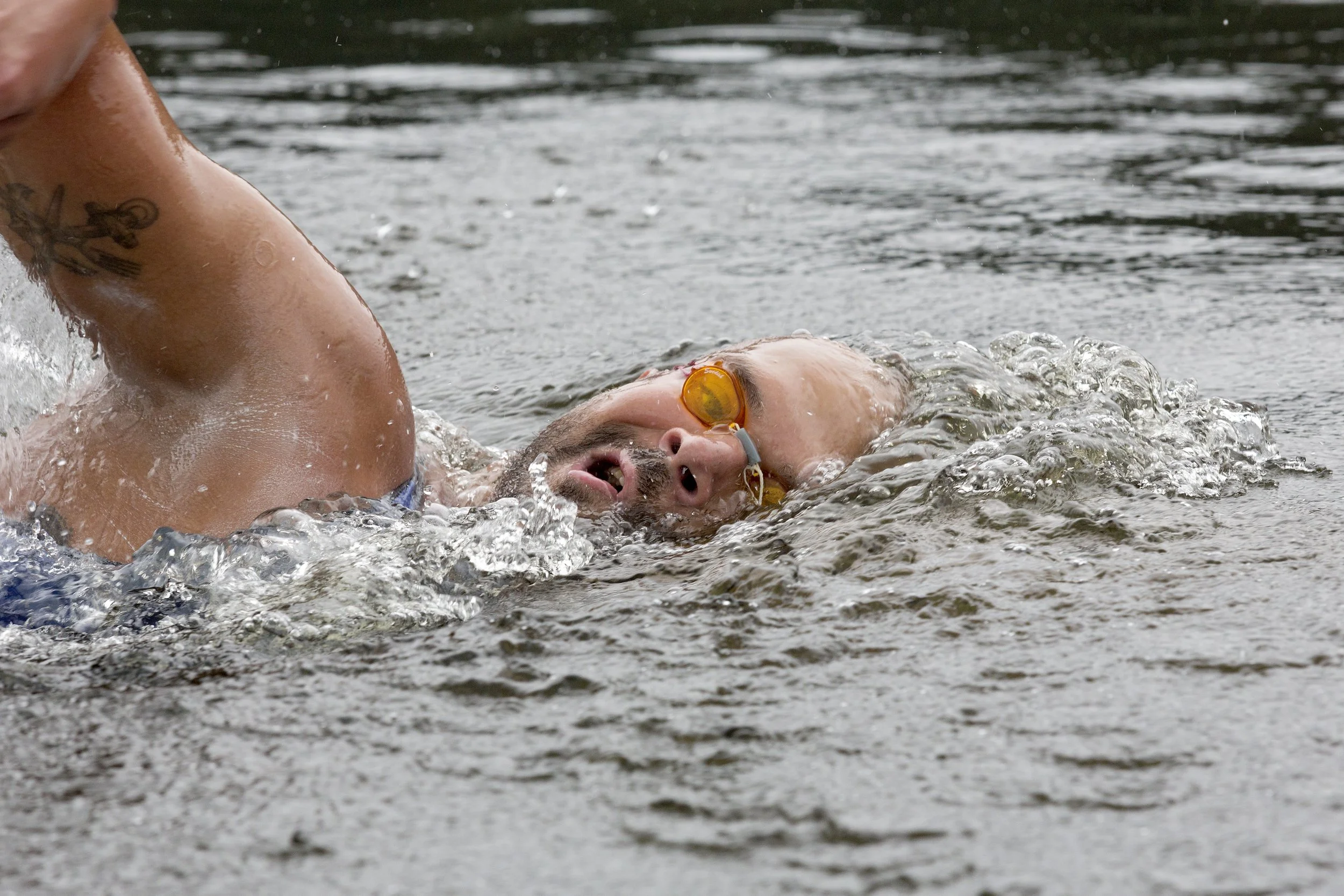
4. What is going through your mind in the first minute of entering near-freezing water and how do you control the shock?
It depends if I’m racing or training. If I’m training, I just want to calm down and relax and enjoy. If it’s a race then I focus only on the race and swim technique, I don’t care about the cold. The adrenaline is so high, there is no real shock, you are too focused on the atmosphere of the race.
5. Which swim was tougher than you expected, and how did you deal with it ?
Lake Malawi last year. I was the 11th person in the world with the 4th best time. I was going for the record, but the conditions were really hard, windy, rainy and really hot. I missed the world record by 30 minutes. I had completed 90% of the swim and the guys on the boat told me I didn’t need to rush because I wouldn’t make the record time. It was a really hard one, it was in the middle of Africa, the water was really hot and so was the air temperature.
6. How do you train differently for ice swimming versus long marathon swims?
Most of my swim training is in the pool, which means the ice swimming and open water swimming training are similar. But when I’m training for an ice swim in the beginning of winter, I’m focusing more on less volume and higher speed. Then after the ice season I try and level out the volume, reducing the fast swimming and increasing more aerobic, long distance swims.
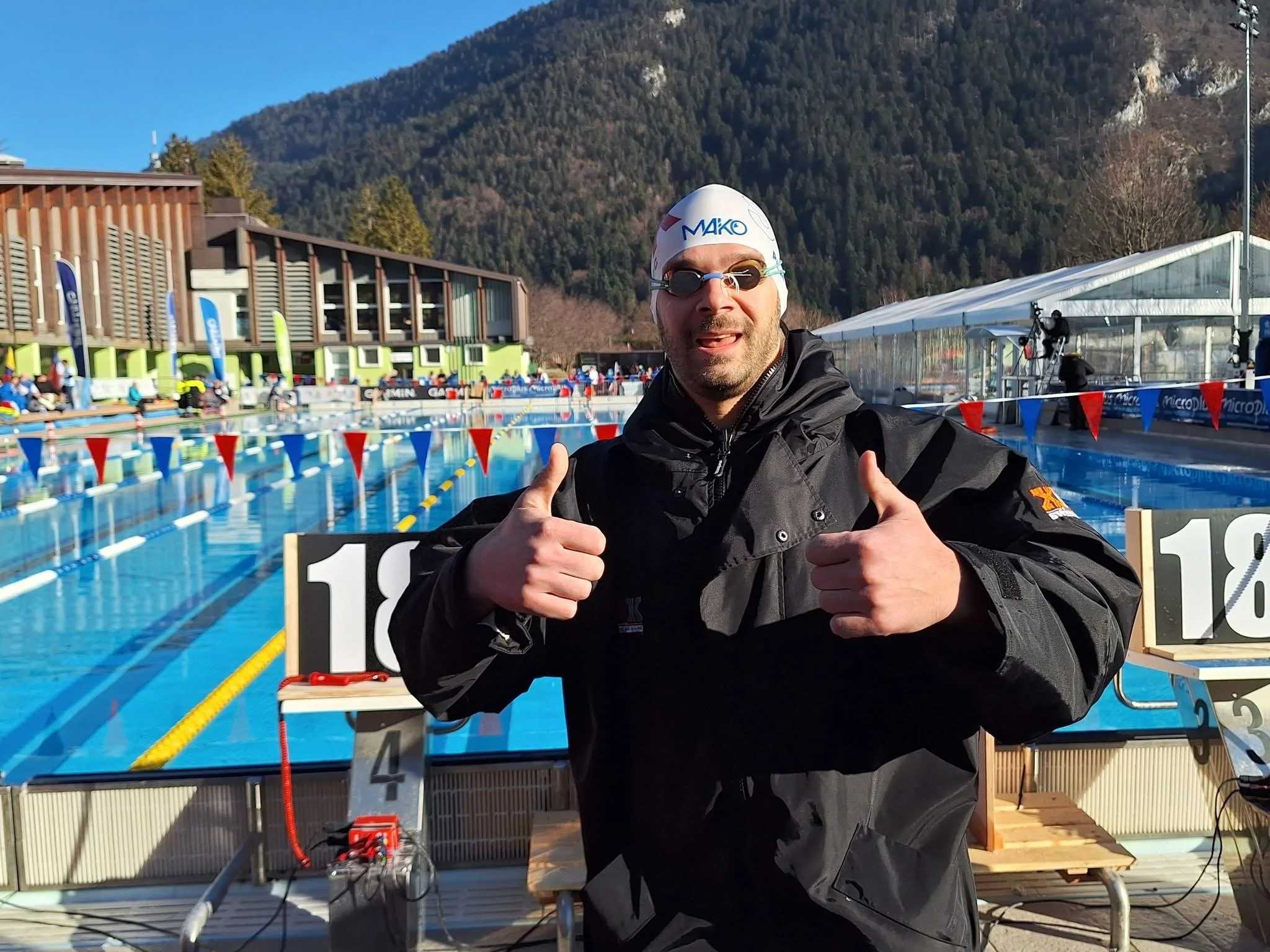
7. What habits or routines have had the biggest impact on your performance over the years?
Getting a swim coach is the biggest game changer, to have someone who tells you what to do, how to swim. An outside eye is really valuable.
Now I am starting to add more mobility and strength training which I think will show a big change in my swimming.
8. As an ambassador for our event, what excites you most about bringing swimmers together in this environment?
I’m really very, very excited for the event. The most important part for me is that there will be a lot of swimmers from all around the world, that’s a lot of experience coming together. They all have different swimming history, and it will be an exciting exchange of knowledge amongst the swimmers. When 100’s of people are doing the same event and they share the love for the sport, it really is on another level. I’m very excited to meet other swimmers.
“ The most important part for me is that there will be a lot of swimmers from all around the world, that’s a lot of experience coming together. ”
9. With your extensive open water experience in tough conditions, do you expect UltraSwim 33.3 #12CROATIA to be easy for you or do you find a challenge in all open water swimming events?
I’m sure that it will be a challenge, I have tried to swim 33.3 km in one swim and I did a race of 24hrs in open water and you swim as much as you can within the 24hrs which amounted to more than 33.3km, but I have never tried a multi day event where you swim this distance with a lot of other great swimmers. I’m sure that it will be a challenge for me.
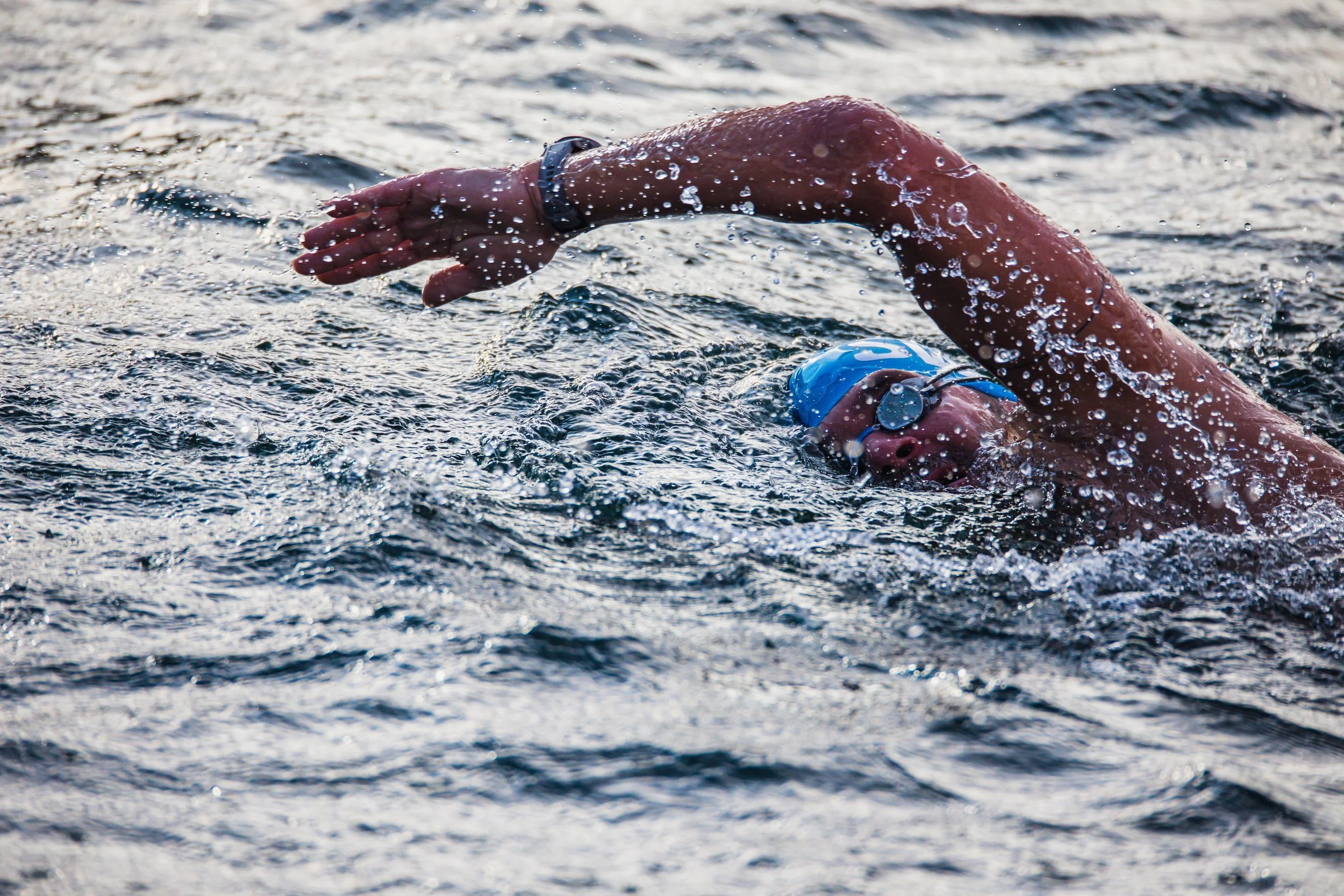
“It will be a beautiful experience no matter what. In my eyes, every open water swimmer should try an event like UltraSwim 33.3 because it really is something special.”
10. What would you say to swimmers who have been thinking of joining an UltraSwim 33.3 event but who are too afraid to take the leap?
I would tell them that if they can swim 33.3km across 10 days, which is around 3km a day, then they will be fine. And also, if it doesn’t go well, it doesn’t matter, they will still meet a lot of people and be in a great atmosphere. It will be a beautiful experience no matter what. In my eyes, every open water swimmer should try an event like UltraSwim 33.3 because it really is something special.
11. If you could give one piece of advice to participants on the start line feeling nervous, what would it be?
Just do one more stroke. If you are struggling, always think of the next stroke the next breath and just enjoy the swim. At the end of the day, we are all here to have fun.
“Getting a swim coach is the biggest game changer ”
