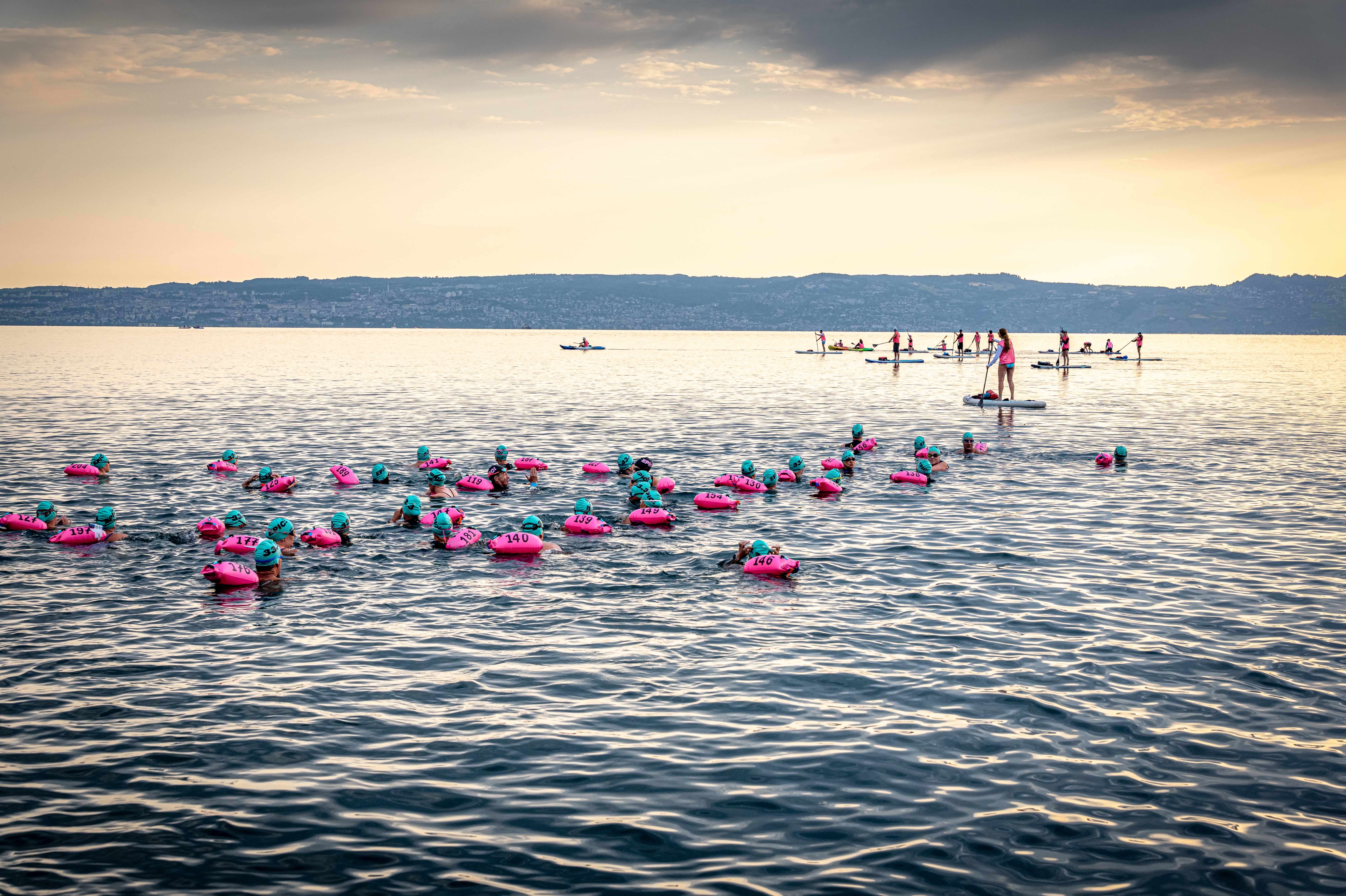
From Triathlon to Marathon Swimming
If you can finish the swim leg of a triathlon, you already hold the engine for something far bigger. Marathon swimming asks you to keep moving for hours without a bike and a run to follow, and to settle into a rhythm you can hold all day. UltraSwim 33.3 breaks the iconic English Channel distance of 33.3km into four warm water stages across four days, so the leap from triathlete to marathon swimmer becomes a goal you can train for and reach.
FROM TRIATHLON TO MARATHON SWIMMING

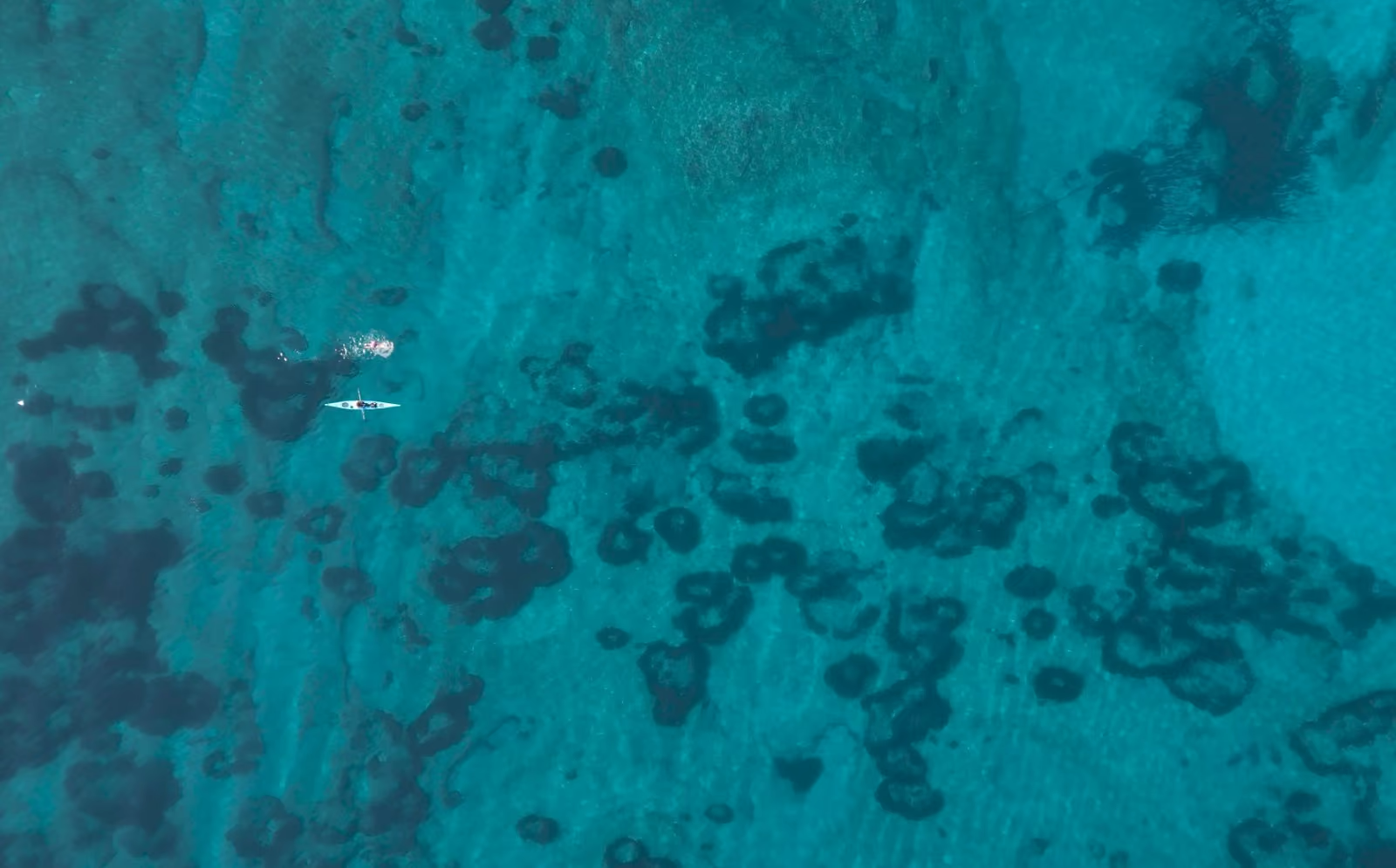
What Really Changes When You Leave the Triathlon Behind
In a triathlon the swim is the opening act. You hold a hard effort for twenty minutes to an hour, then you are out of the water and onto the bike. Marathon swimming flips that. The swim is the whole event, and the skill becomes patience: an efficient, repeatable stroke you can hold for hours, steady feeding to keep your energy up, and the calm to stay relaxed when the water gets lumpy. Most triathletes already have the fitness. What they build next is range, sighting without a wetsuit to lean on, and the habit of swimming long.
This is where the four day format earns its place. Instead of one daunting 33.3km swim, you cover roughly 8km a day, recover each afternoon, and come back fresh the next morning. You are surrounded by swimmers making the same step up, supported by a kayak for every swimmer, coaches on hand, and a 16 week preparation programme that takes you from triathlon swimmer to marathon swimmer one block at a time. The distance is real. The path to it is built for people exactly like you.
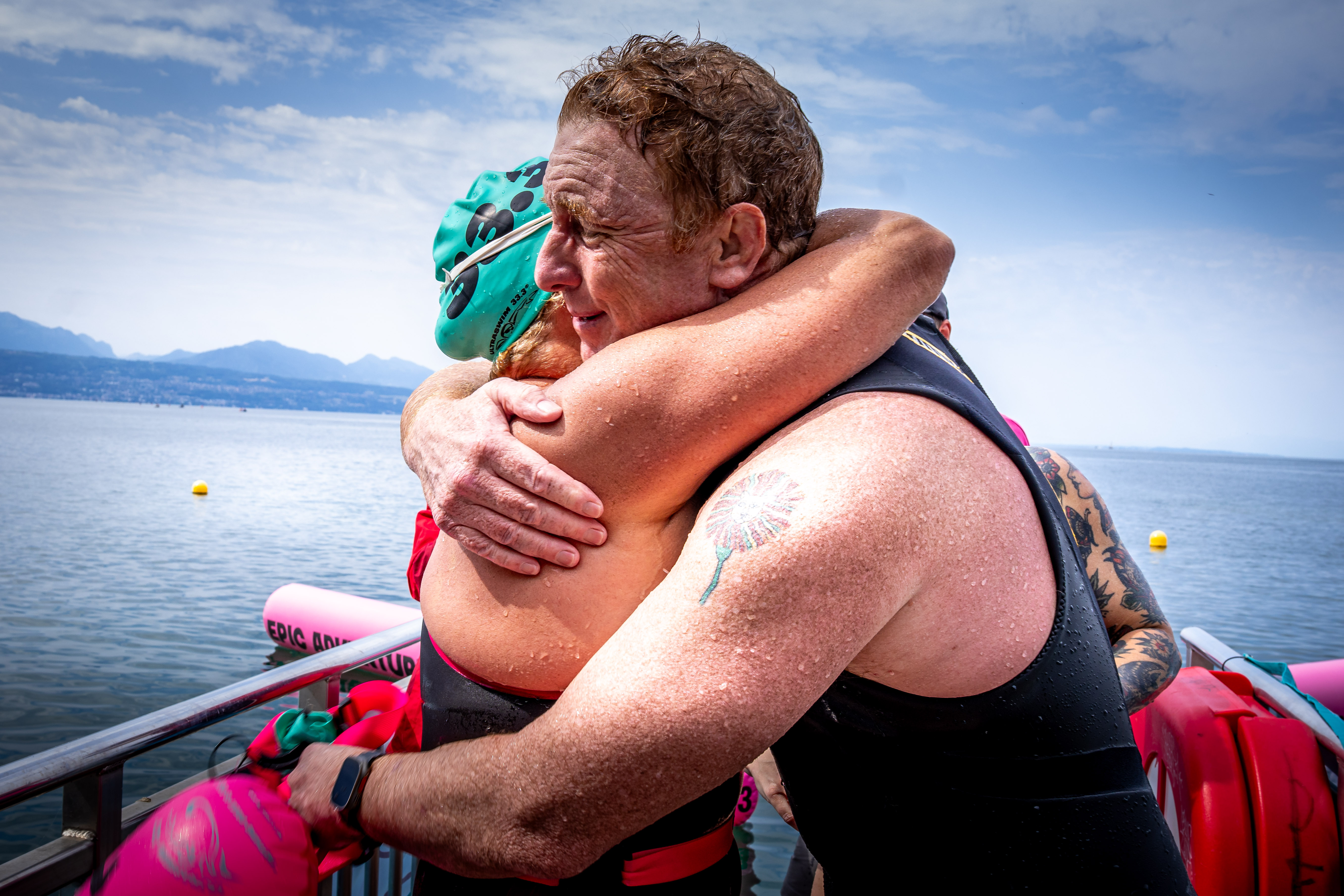
Adapting your training for pure swimming
The change is more mental than physical at first. Redirect the hours you spent on the bike and run into the pool and open water. Build your weekly long swim steadily, add back to back days so swimming tired feels normal, and learn to feed on the water for swims over an hour. Keep some land based strength and mobility to protect your shoulders. Then choose a goal event. A multi day 33.3km gives you a concrete, achievable target that uses everything triathlon taught you about pacing and endurance, in warm water with full support.
- Redirect bike and run hours
- Back to back swim days
- Feed on the water
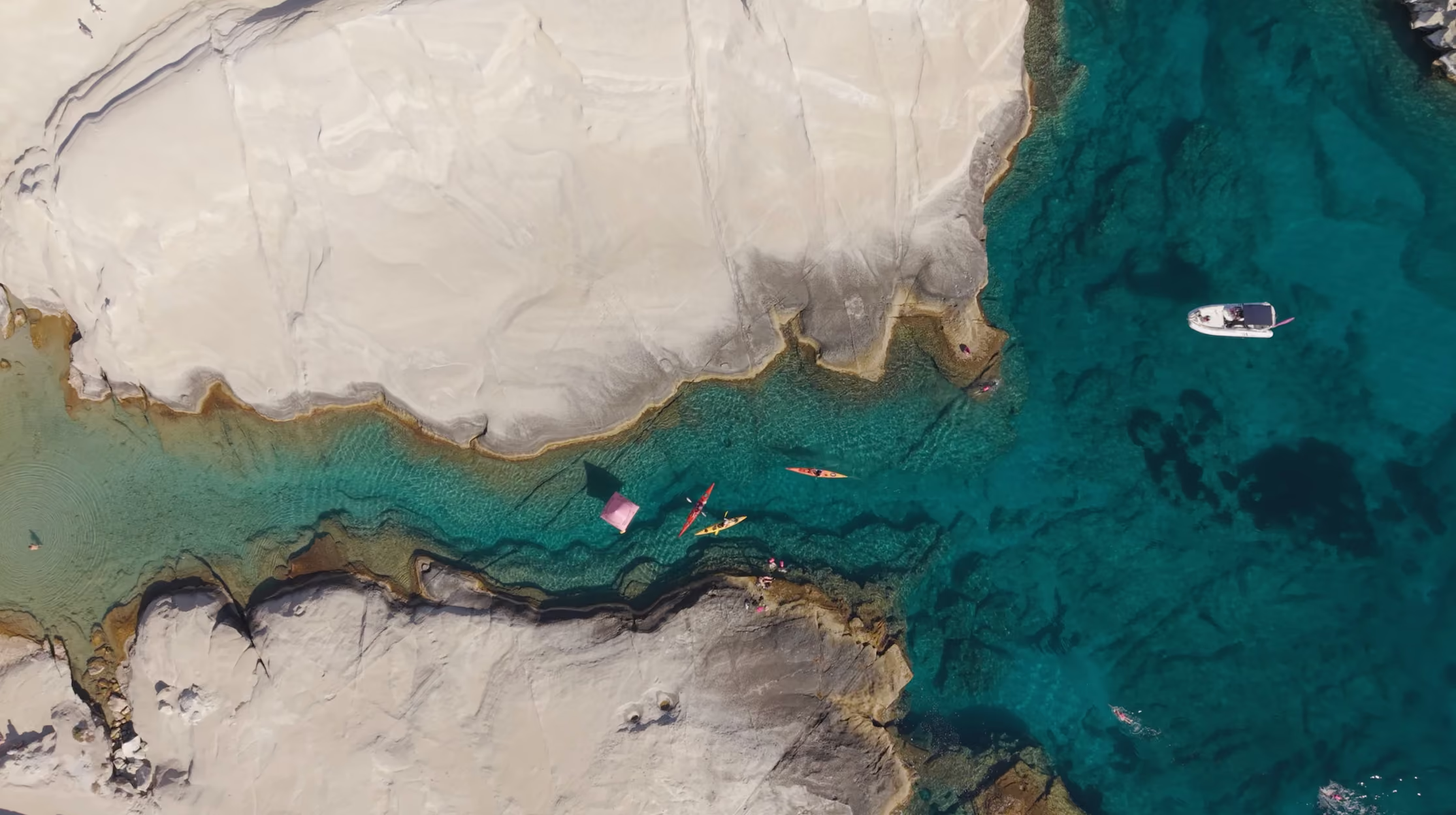
Open water, fully supported
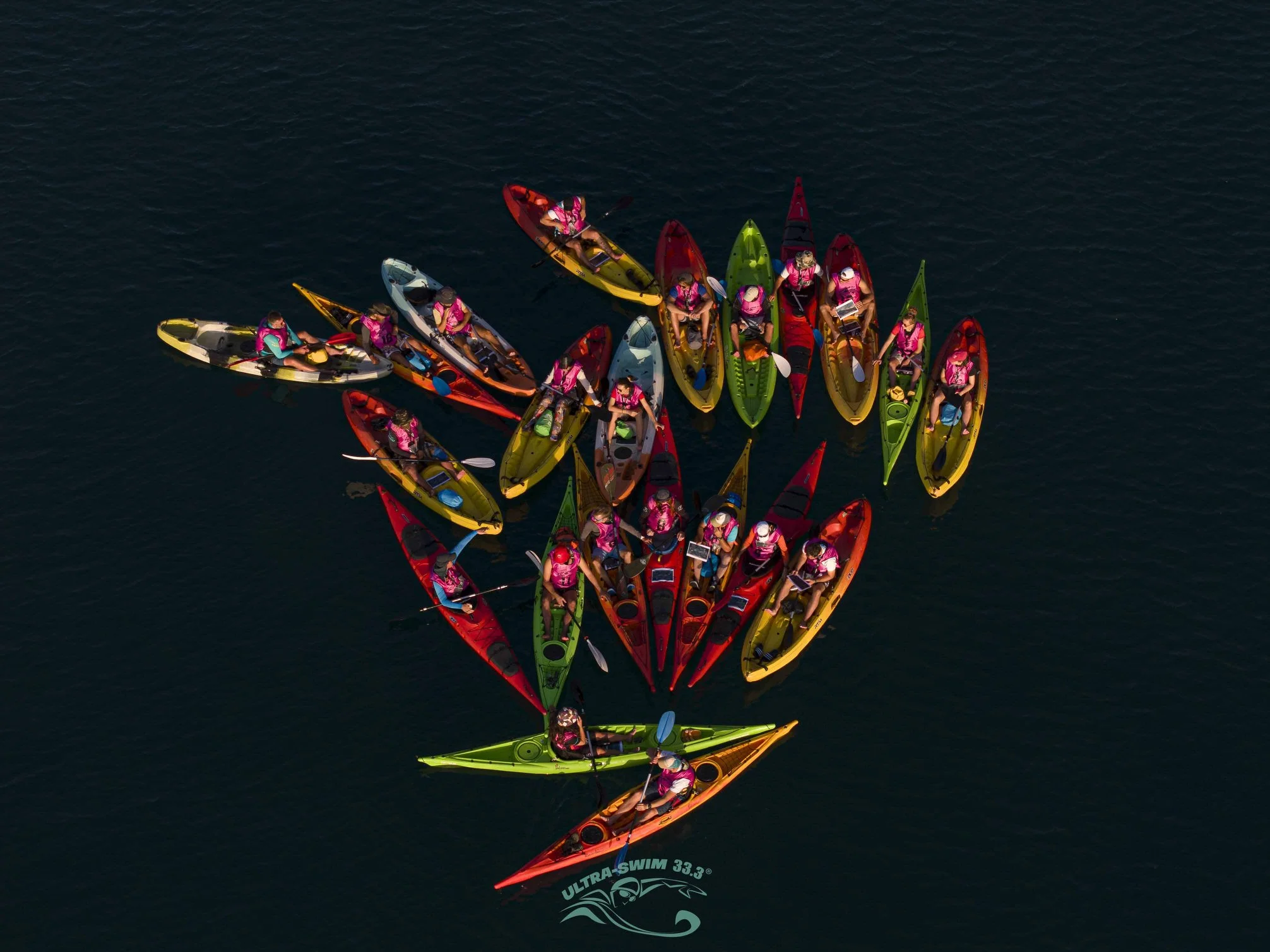
Every UltraSwim 33.3 group swims with two safety boats and two kayaks alongside, GPS tracking and on water feeding, with a medical and physio team on site. For a triathlete new to long open water, that cover turns a daunting distance into a safe, enjoyable adventure.
- Two boats and two kayaks per group
- GPS tracking and on water feeding
- Medical and physio on site
How to make the switch from triathlon to pure marathon swimming
The triathlete who finds the swim leg becoming the part they look forward to is a marathon swimmer waiting to happen. The switch is not about giving up the bike and run. It is about giving the swim its full weight. Marathon swimming demands volume the triathlete is rarely doing: 25 to 35km of weekly pool volume becomes 35 to 50km, and long swims of 8 to 12km replace the brick sessions. Stroke work matters more because there is no second leg to make up time. The transition usually takes 12 to 18 months, and most triathletes hybrid for a year, racing triathlon in summer and a marathon swim event in autumn. UltraSwim 33.3 sits right at the entry point of marathon swimming.
- Volume builds 30 to 50 percent from your triathlon base
- Long swims replace brick sessions
- A 12 to 18 month transition is typical
One package, everything covered
From 1,800 euros, your package covers four days of supported swimming, luxury hotel accommodation, breakfasts and lunches, transfers and a preparation programme. For your first marathon swimming goal, everything is organised so you can focus entirely on the water and the experience.
- All inclusive from 1,800 euros
- Hotel, meals and transfers
- Preparation included
Triathlete to Marathon Swimmer, Answered
Everything you need to know about the event, the format and booking.
Do I already have the fitness for this?
If you can complete an Olympic or half distance triathlon swim, you have a strong aerobic base to build on. The gap is range rather than speed. Marathon swimming rewards an easy, sustainable pace over a hard sprint, so much of your preparation is about adding distance gradually and holding good form when you tire. The 16 week programme is designed to close that gap safely.
How is open water marathon swimming different from a triathlon swim?
Three things change. You swim for far longer, so pacing and relaxation matter more than power. You feed during the swim rather than after it, taking on drinks and gels at planned points. And you usually swim without the buoyancy of a wetsuit, which means your body position and stroke do more of the work. None of this is beyond a fit triathlete. It simply needs practice.
Do I need to change my stroke?
Probably refine it rather than change it. A short, punchy stroke that works for a fast 1500m can cost you energy over four days. Most swimmers lengthen their stroke a little, smooth their breathing into a steady pattern, and learn to glide. Our coaches review your stroke as part of the programme and give you small, specific adjustments rather than a full rebuild.
How do I manage feeding and pacing across four days?
You learn a simple feeding plan in training and repeat it at the event: regular drinks, easily digested carbohydrate, and a pace that feels almost too easy at the start of each stage. Across four days, recovery between stages matters as much as the swimming. Sleep, food and a relaxed afternoon keep you strong for the next morning, and the event is built around that rhythm.
What about open water skills like sighting and rough water?
Sighting, swimming straight, and staying calm in chop are skills you build, and a few sessions in open water make a real difference. At the event you are never alone. Every swimmer has a kayak alongside, the course is marked and safety crewed, and you can settle in beside swimmers of a similar pace. Most triathletes find the open water far less intimidating than they expected.
Most triathletes are ready inside the 16 week preparation programme, provided they can already swim comfortably for thirty to sixty minutes. If you are coming back after a break, give yourself a little longer to rebuild your base first. The programme is structured, progressive and supported, so you always know what the next session is for.
DOWNLOAD THE FULL EVENT INFORMATION PACK
Below, you can see pricing calculators for all our 2027 events to tailor an event package to you.
Become a marathon swimmer
Nothing great is easy. Make the switch to pure open water across four days and 33.3km. A 500 euro deposit secures your place, fully refundable within 30 days.
Choose your event