How Far Is the English Channel?
The English Channel is 33.3km wide at its narrowest point, the Strait of Dover between England and France. That is about 21 miles in a straight line, though tides mean most swimmers cover far more. A solo Channel crossing is one of the hardest endurance feats in sport. UltraSwim 33.3 lets you swim the same iconic distance, broken into four warm water stages, without the cold, the shipping lanes or the jellyfish of the Channel itself.
How Far Is the English Channel

33.3 Kilometres, and Why That Number Matters
THE NUMBERS
The 33.3km figure is the straight line distance across the Strait of Dover, from Shakespeare Beach near Dover to Cap Gris Nez in France. It is the shortest crossing, which is why nearly every Channel swim follows it. In August 1875, Captain Matthew Webb became the first person to swim it, taking just under 22 hours of breaststroke with only grease for warmth. His swim defined a challenge that swimmers still measure themselves against today.
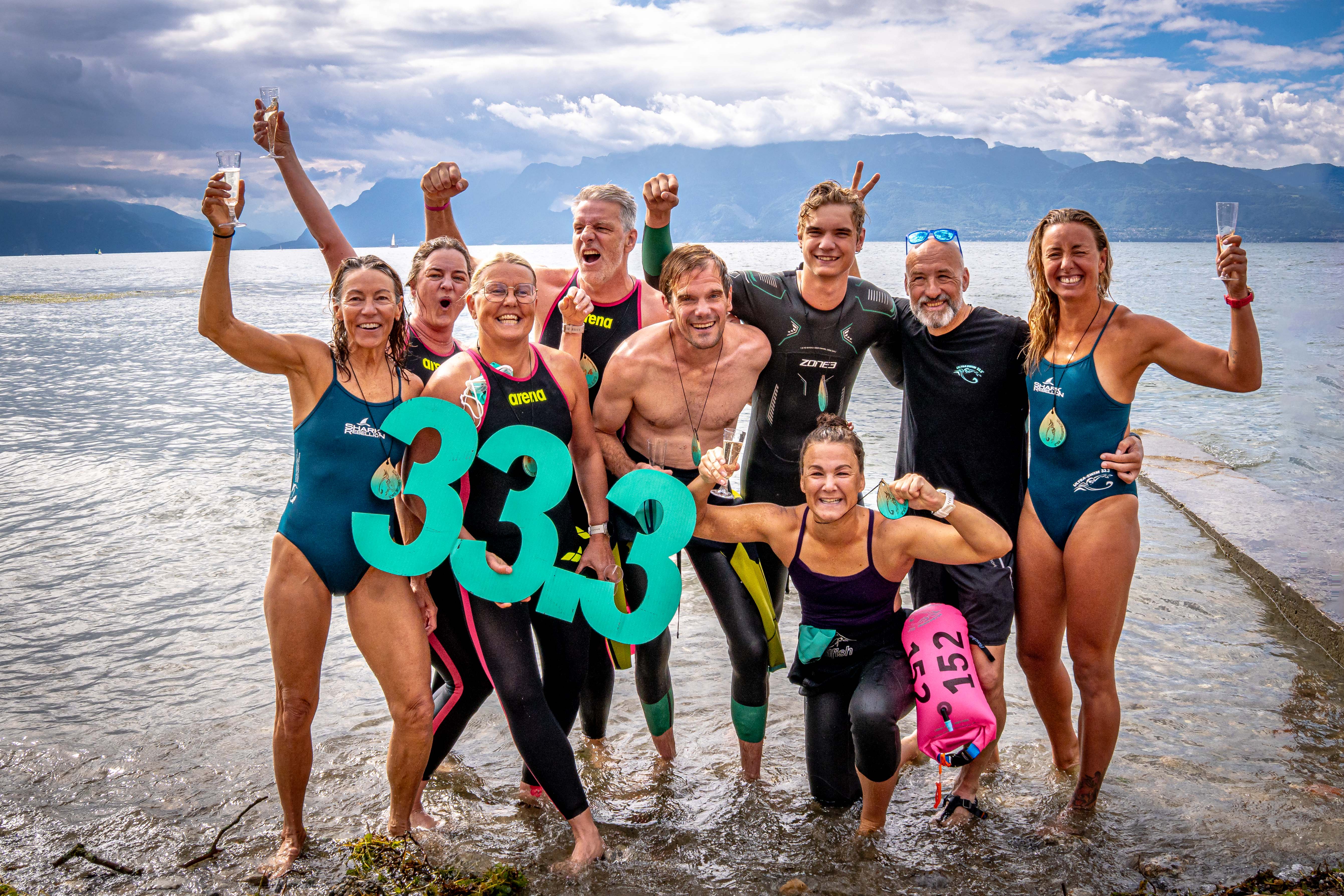
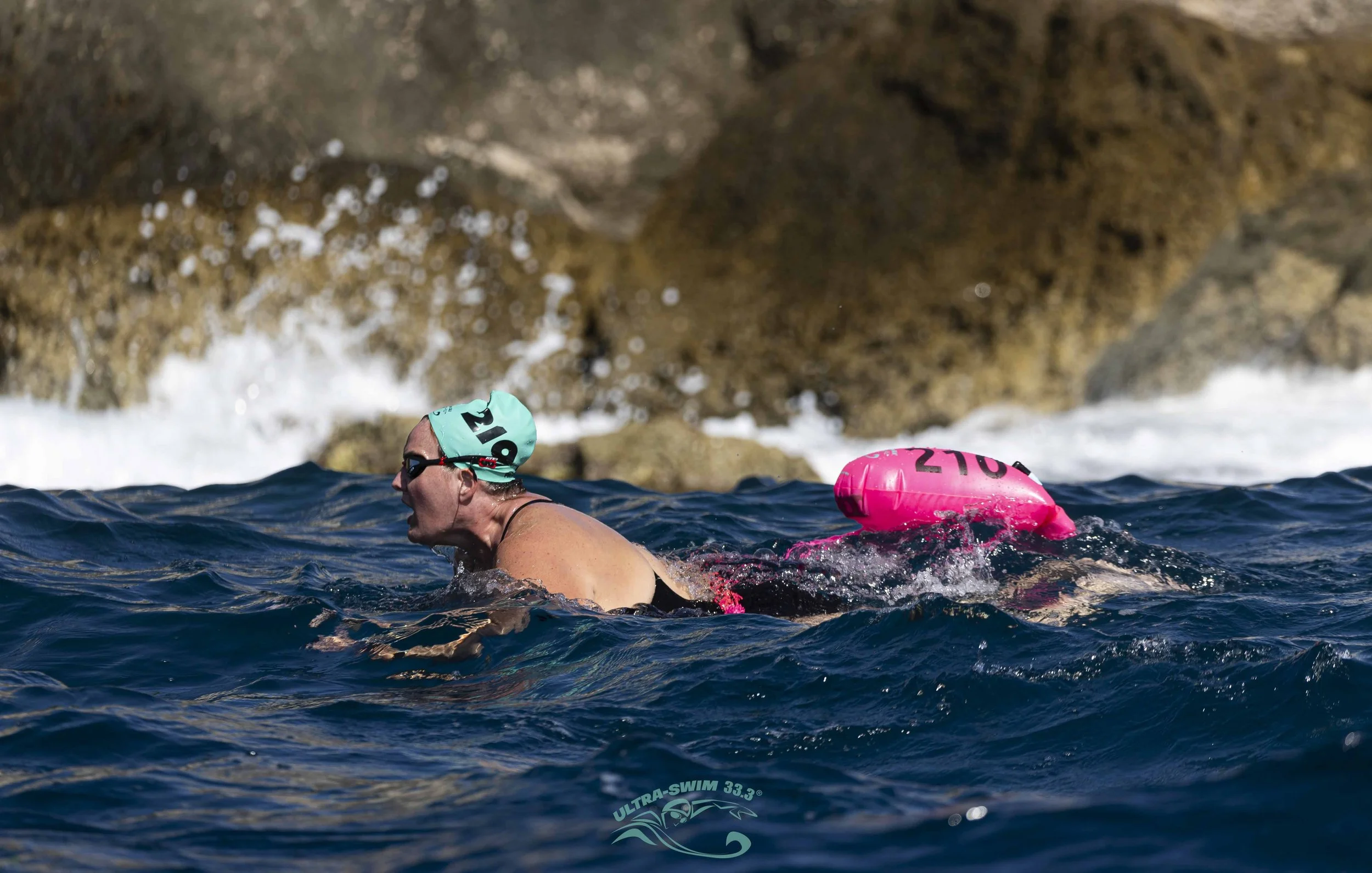
UltraSwim 33.3 takes that exact distance and reimagines it. Rather than one brutal crossing in cold, busy water, you swim 33.3km across four days in a warm, clear location, with swims of 4-10km each day. You finish having matched the iconic English Channel distance, 150 years after Webb, in conditions that let a far wider range of swimmers succeed. The number is the same. The experience is transformed.
Webb, Ederle and 150 years of the Channel
The history
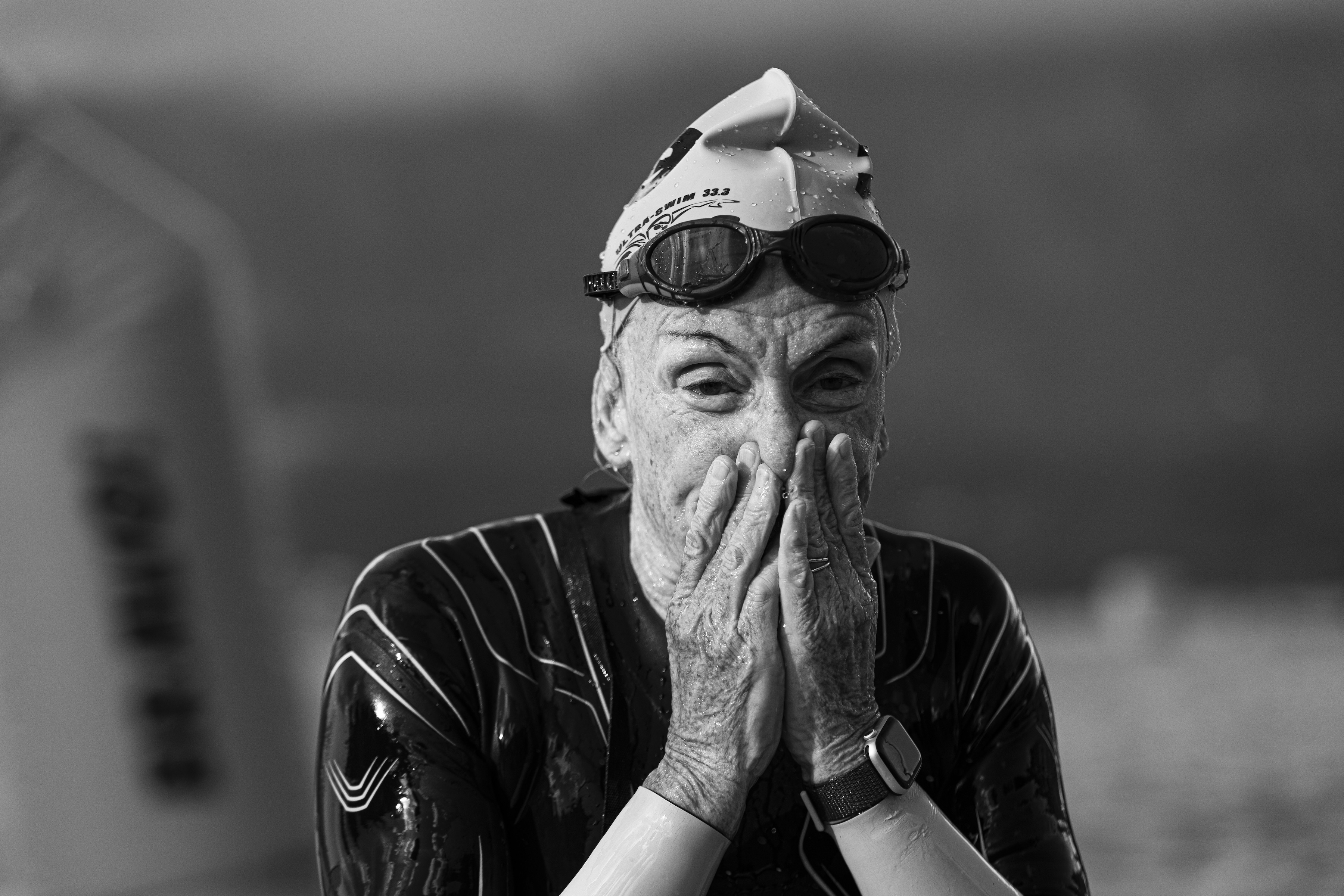
Captain Matthew Webb became the first person to swim the English Channel in August 1875, taking 21 hours and 45 minutes of breaststroke and coining the phrase Nothing great is easy. Fifty one years later, in 1926, Gertrude Trudy Ederle became the first woman to cross, beating the men's record by almost two hours. Their 33.3km distance has defined open water's greatest challenge ever since. UltraSwim 33.3 carries that exact distance into warm water, so a new generation can take it on across four days rather than one cold, tide swept attempt.
Webb crossed in 1875 · Ederle crossed in 1926 · The 33.3km distance preserved · See 2026 events
How UltraSwim 33.3 keeps you safe
Support
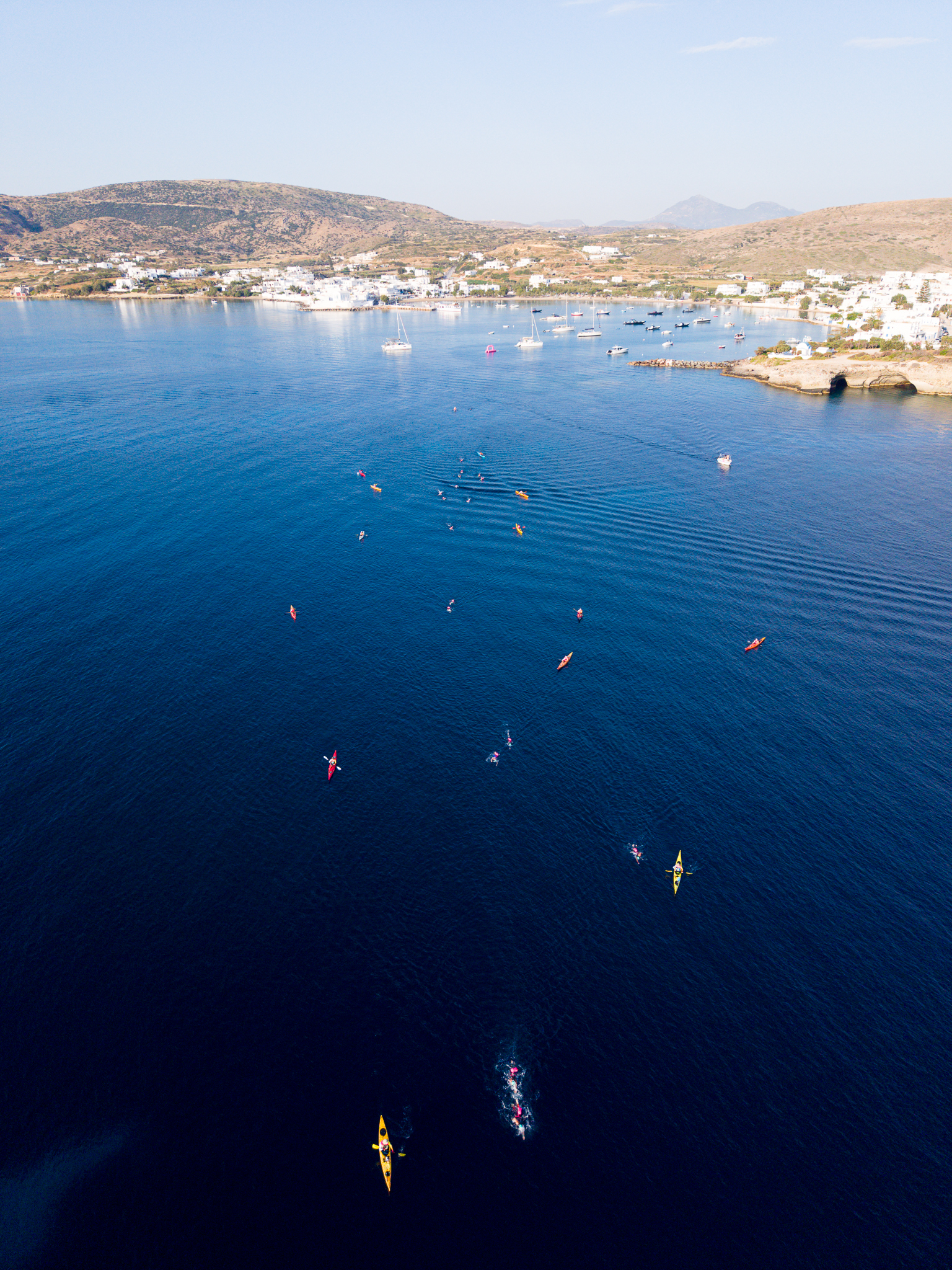
Swimming the Channel distance solo means cold water, shipping lanes and a long wait for a good weather window. UltraSwim 33.3 removes all of that. We will organise all the safety cover with kayaks and boats, GPS tracking and on water feeding, with a medical and physio team on site each day, so the famous distance is taken on in complete safety.
Why the 33.3km distance carries the symbolic weight it does
The 33.3km distance in context
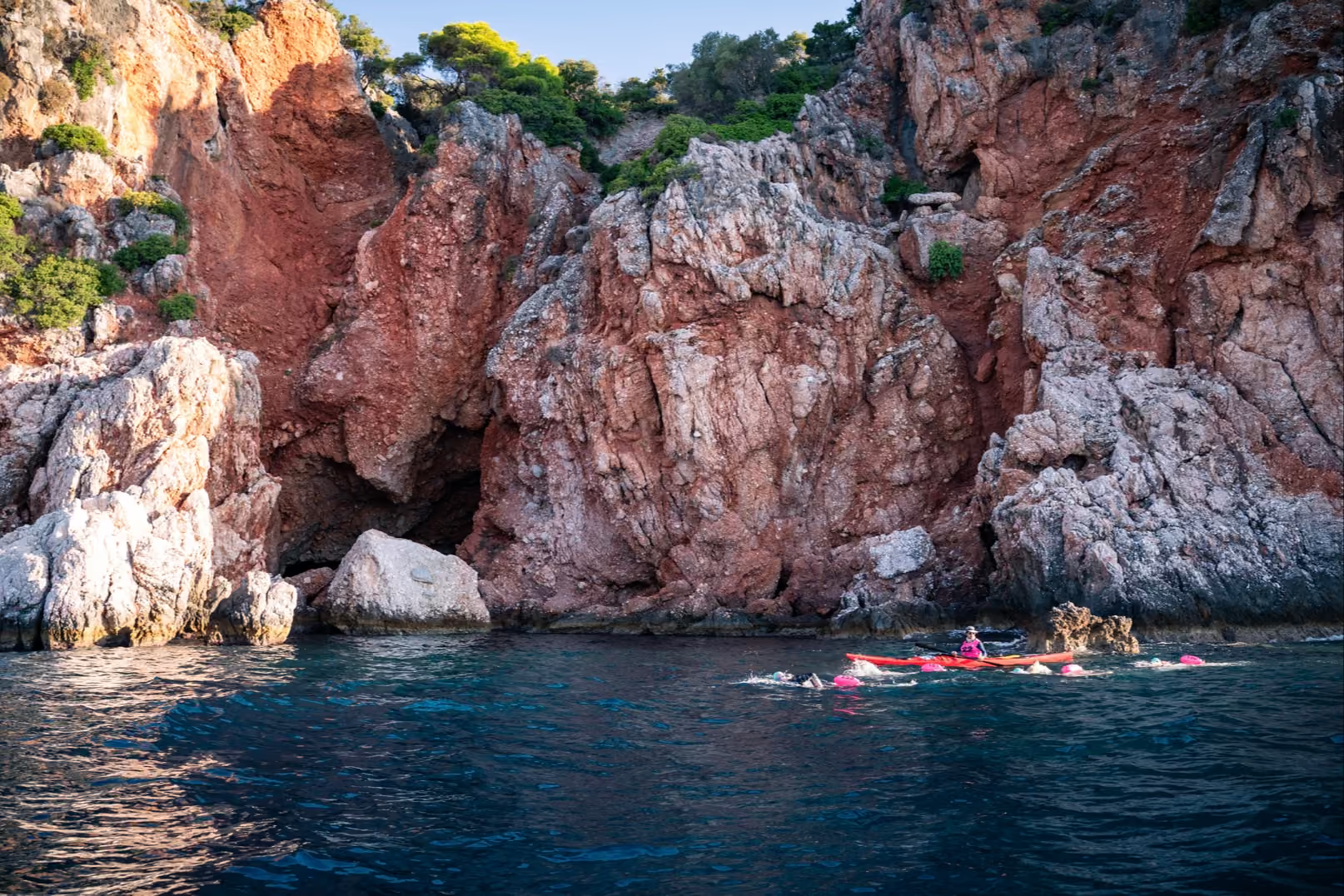
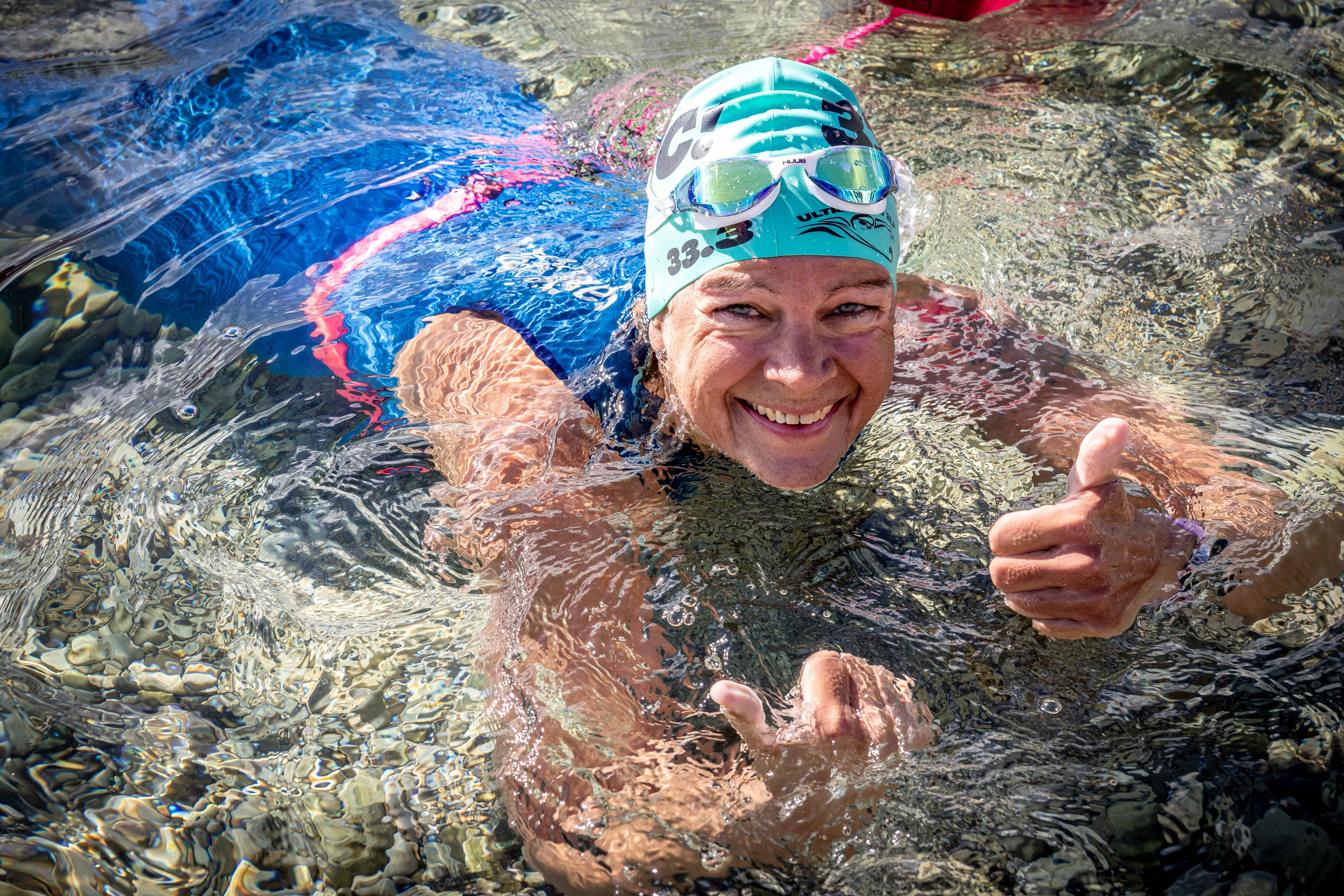
Captain Matthew Webb crossed the English Channel on 25 August 1875, swimming approximately 33.3km in 21 hours and 45 minutes. He swam breaststroke. He used grease for warmth. The shortest line between Dover and Cap Gris Nez is closer to 32km, but tides and currents extend the actual swim distance to between 33 and 50km depending on conditions. The 33.3km figure is the figure history records for Webb. For every swimmer since, the Channel has been the benchmark. The cold rules out most. The strong cross currents rules out more. The 18 hours minimum elapsed time rules out the unprepared. UltraSwim 33.3 takes the symbolic distance, splits it across four days, and runs it in much warmer and much nicer waters!
Swim the Channel distance, all inclusive
The package
From 1,800 euros, your package covers four days of supported swimming, luxury hotel accommodation, breakfasts and refuel lunches, transfers and a preparation programme. A solo Channel attempt costs far more once you add a pilot boat, observers and the long wait for a tide window. The warm water alternative gives you the same distance, organised end to end.
The English Channel Distance, Answered
COMMON QUESTIONS
How wide is the English Channel exactly?
At its narrowest, the Strait of Dover, the English Channel is 33.3km wide, roughly 21 miles. That is the straight line distance from Shakespeare Beach near Dover to Cap Gris Nez in France. It is the shortest crossing, which is why almost every Channel swim starts there.
Why do Channel swimmers swim further than 33.3km?
Tides run hard through the Channel and push swimmers sideways as they cross. Rather than a straight line, a swimmer traces a long S shaped path, so the distance actually swum over the ground is often 40km or more. Stronger, faster swimmers spend less time in the tide and stay closer to the direct distance.
Who first swam the English Channel?
Captain Matthew Webb made the first observed crossing in August 1875, swimming breaststroke in just under 22 hours. He used no wetsuit and no modern support, only grease for warmth. His swim defined the challenge that swimmers still measure themselves against 150 years on.
How long does it take to swim the Channel?
A solo crossing usually takes between 9 and 16 hours depending on conditions, tides and the swimmer. Cold water, around 15 to 18 degrees, is the great leveller. Many strong pool swimmers never finish, not for lack of fitness but because of the cold and the hours spent in it.
Can I swim the Channel distance without swimming the Channel?
Yes. UltraSwim 33.3 covers the same 33.3km, the iconic English Channel distance, across four days in warm, clear water. You swim roughly 8km a day, recover each evening, and finish having matched the Channel distance in conditions that let a far wider range of swimmers succeed.
Is 33.3km realistic for an amateur swimmer?
For many people, yes, with the right preparation. The four day format and the 16 week programme turn an impossible sounding number into six achievable swims. Swimmers from 14 to 76 complete UltraSwim 33.3 events, with a median age of 50+. The distance is serious, but it is within reach. The event hits the sweet spot between challenge and achievability.
DOWNLOAD THE FULL EVENT INFORMATION PACK
Below, you can see pricing calculators for all our 2027 events to tailor an event package to you.
Swim the Channel distance
Nothing great is easy. Match the iconic 33.3km across four days in warm water. A 500 euro deposit secures your place, fully refundable within 30 days, and with flexible Rollover conditions if life throws you a curved ball later on.
Choose your event